77 W Port Plaza Dr.
Suite 205, St. Louis, MO 63146
Suite 205, St. Louis, MO 63146
If you’re missing one tooth or several, dental implants can replace what’s missing with a secure, natural-looking solution that feels comfortable and strong. A full, healthy smile changes how you eat, speak, and feel day to day.
At Smiles by Choice, we provide dental implants in St. Louis, MO with a focus on personalized care and clear guidance from start to finish. Schedule a consultation to learn what’s possible for your smile.
Dental implants do more than fill an open space. They replace the root of the tooth, which helps create a stable, long-lasting foundation for a crown, bridge, or denture. That stability is what makes implants feel so natural, so you can smile, talk, and enjoy meals without worrying about shifting or discomfort.
Dental implants are designed to function and look like real teeth. Here’s how they mimic the natural feel of your smile:
An implant includes a small titanium post that acts like a tooth root. Instead of sitting on top of your gums like traditional dentures, the implant is placed in the jawbone. Over time, it bonds with the bone, creating a strong base for everyday chewing and speaking.
Your final crown is custom-made to match your surrounding teeth. We match the shape, size, and color so your new tooth blends in naturally, whether it’s a front tooth or one in the back.
Because implants are anchored into the jaw, they restore real bite strength. Most patients find they can get back to enjoying the foods they like with less worry about weak spots or movement.
After tooth loss, the jawbone in that area can begin to shrink over time. Implants stimulate the bone in a similar way to a natural tooth root, which helps support the shape of your jaw and face.
Our dentist in St. Louis has seen hundreds of different smiles, so he knows that each smile is unique, which means your dental implant needs will also be unique. That’s why, at Smiles by Choice, we offer a range of custom implant solutions to fit your situation.
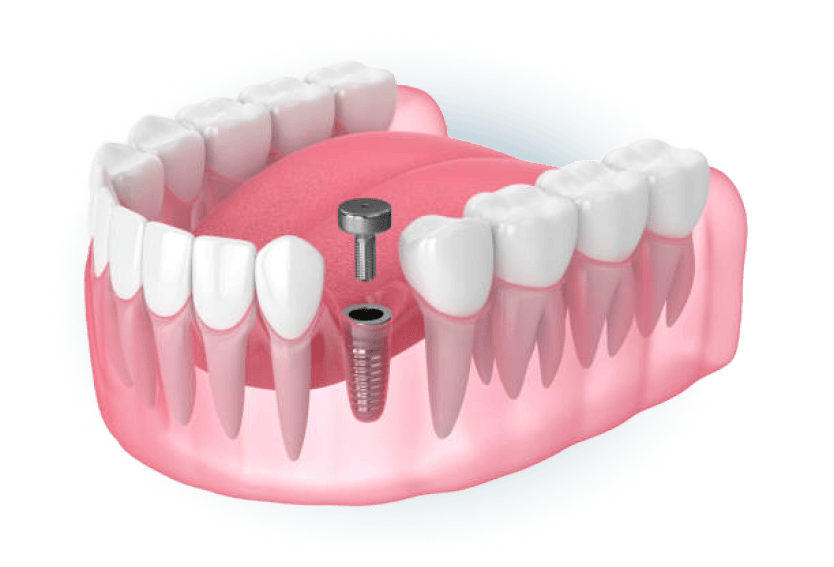
If you’re missing one tooth, a single dental implant can replace it from root to crown. After the implant bonds with your jawbone, we place a custom crown on top to restore your smile, help prevent nearby teeth from shifting, and keep your bite aligned.
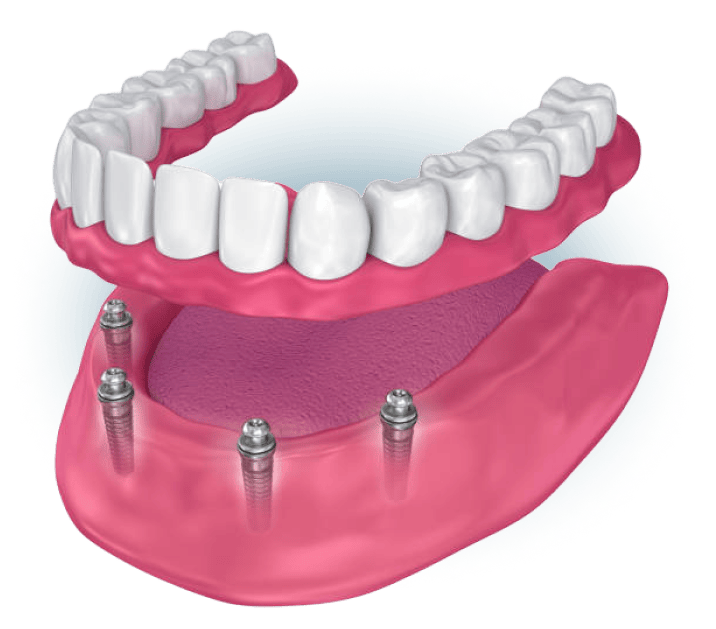
If you’ve lost most or all of your teeth, full-mouth implants can provide a secure, natural-feeling solution. Instead of dentures that may slip or feel unstable, several implants can support a full set of custom teeth so you can eat, speak, and smile with confidence.
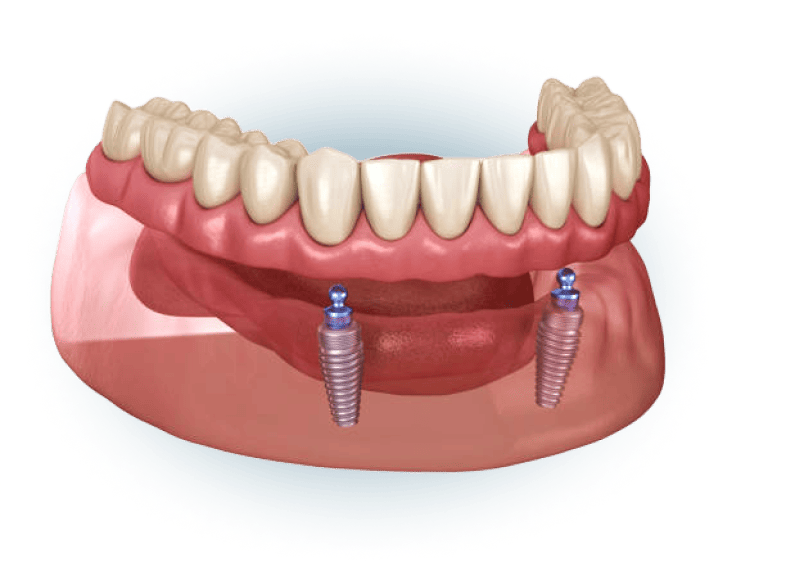
Implant-supported dentures offer added stability compared to traditional dentures. With a few implants for support, your denture fits more securely and is less likely to shift or irritate your gums.
We make the dental implant process as straightforward and comfortable as possible. It starts with a consultation where we assess your oral health, talk through your concerns, and learn what you want to change about your smile. Then we build a plan designed around you.
From there, the process typically includes:
We’ll guide you through each step and keep you informed, so you always know what’s next.
If you’re tired of missing teeth or dealing with loose, uncomfortable dentures, dental implants may be a great fit. Implants can replace one tooth or many, and they’re designed to restore comfort and confidence in everyday life.
In general, good candidates have healthy gums and enough jawbone to support an implant. During your consultation, we’ll evaluate your oral health and talk through the best path forward.
If you’ve been told you don’t have enough bone, you may still have options. In some cases, bone grafting can help prepare the area for implant placement.
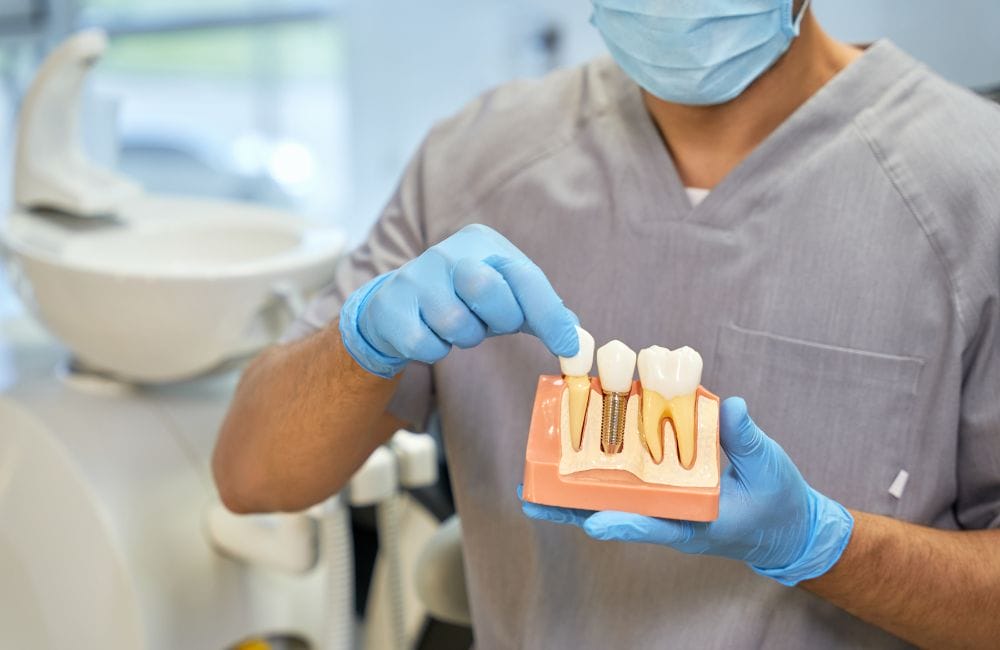
Choosing the right way to replace missing teeth depends on your goals, your oral health, and how you want your smile to feel day to day. Dental implants, bridges, and dentures can all help, but they don’t work the same way.
Dental implants replace the tooth root as well as the visible tooth. Because the implant anchors into the jawbone, it can feel more stable and natural when you chew and speak. Implants can also help support the jawbone over time, which matters after tooth loss.
Dental bridges “bridge” the gap left by a missing tooth by using the teeth next to the space for support. Bridges can be a good option in the right situation, especially when the neighboring teeth already need crowns. The best choice depends on the condition of the surrounding teeth and your bite.
Dentures replace several teeth at once and can be a more budget-friendly option for some patients. Traditional dentures can shift or feel less secure, but implant-supported dentures add stability by anchoring the denture to implants, helping reduce slipping and improving comfort.
If you’re not sure which option fits your needs, that’s exactly what a consultation is for. We’ll evaluate your smile, talk through your goals, and recommend the most comfortable, reliable solution for you.
We believe patients make confident decisions when they feel heard, respected, and clearly informed. That’s why our approach combines careful dentistry with personal relationships.
Our team is driven by a true passion for dentistry and a commitment to doing things the right way, thoughtfully, precisely, and with your long-term oral health in mind. We also focus on building real relationships with our patients, so you feel comfortable asking questions and supported through the process.

How long do dental implants last?
Dental implants are designed to be a long-term tooth replacement. With good oral hygiene and regular dental visits, many patients enjoy implants for years.
Does getting a dental implant hurt?
Most patients say the process is more comfortable than expected. We use local anesthesia and focus on keeping you comfortable throughout treatment.
How long does the dental implant process take?
Timing depends on your needs and whether any extra preparation is required. Many implant cases include a healing period of a few months before the final crown is placed.
Am I a candidate for dental implants?
If you have healthy gums and enough jawbone to support the implant, you may be a candidate. If bone density is low, options like bone grafting may help.
Are dental implants better than bridges or dentures?
Implants can offer stronger stability and a more natural feel because they replace the tooth root. Bridges and dentures may still be good options for some patients. We’ll help you compare choices during your consultation.