77 W Port Plaza Dr.
Suite 205, St. Louis, MO 63146
Suite 205, St. Louis, MO 63146
Do you or your child struggle with restless sleep, chronic congestion, or unexplained jaw pain? It’s easy to overlook how the muscles of our face and mouth affect our overall health. Often, the root cause of dental and sleep issues isn’t just about teeth; it is about function.
At Smiles by Choice, we look at the whole picture of your health. If you are searching for myofunctional therapy in St. Louis, MO, our team is here to guide you toward better breathing and a healthier life.
We understand that seeking help for these issues can feel overwhelming, but the path to relief is closer than you think.
You can think of myofunctional therapy as physical therapy for your mouth, tongue, and face. Just as you would exercise a weak muscle in your arm or leg to improve its function, this therapy involves painless, non-invasive exercises designed to retrain the muscles of the face and mouth.
Technically known as orofacial myofunctional therapy, this treatment addresses the root causes of dysfunction rather than just treating symptoms. When the muscles of the face do not work together correctly, it can lead to a cascade of health issues.
By strengthening the tongue and facial muscles, we can correct proper resting positions and swallowing patterns, ensuring your body functions exactly as nature intended.

The ultimate goal of therapy is to restore harmony to the face and body. While the exercises focus on the mouth, the benefits extend much further.
The primary objective is to establish exclusive nasal breathing both day and night. Breathing through the nose filters the air, warms it, and increases oxygen uptake, which is vital for brain function and energy.
By training the tongue to rest on the roof of the mouth, we naturally open the airway. This simple change in position can have profound effects on your overall health.
Furthermore, correct tongue position supports the dental arch and significantly improves head and neck posture. When your airway is open and your breathing is efficient, your body no longer has to hunch forward to compensate, leading to less tension and better alignment.

When the muscles of the mouth and face are not functioning properly, it results in conditions known as orofacial myofunctional disorders. These disorders can affect people of all ages, from young children developing their bite to adults suffering from sleep issues.
We utilize therapy to treat a wide range of symptoms and conditions, including:
We are thrilled to introduce the Myobrace system to our pediatric patients. Offered in conjunction with myofunctional therapy, Myobrace is a preventive pre-orthodontic treatment that addresses the underlying causes of crooked teeth. Rather than waiting for permanent teeth to come in crooked and fixing them with braces later, Myobrace helps unlock a child’s natural growth potential.
This system is particularly effective at correcting bad oral habits, such as thumb sucking or reverse swallowing, early in life. By addressing these issues while a child is still developing, we can help prevent the development of apnea and other airway issues in adulthood. Myobrace encourages the jaw to grow to its proper size and width, often reducing or eliminating the need for complex orthodontics later.
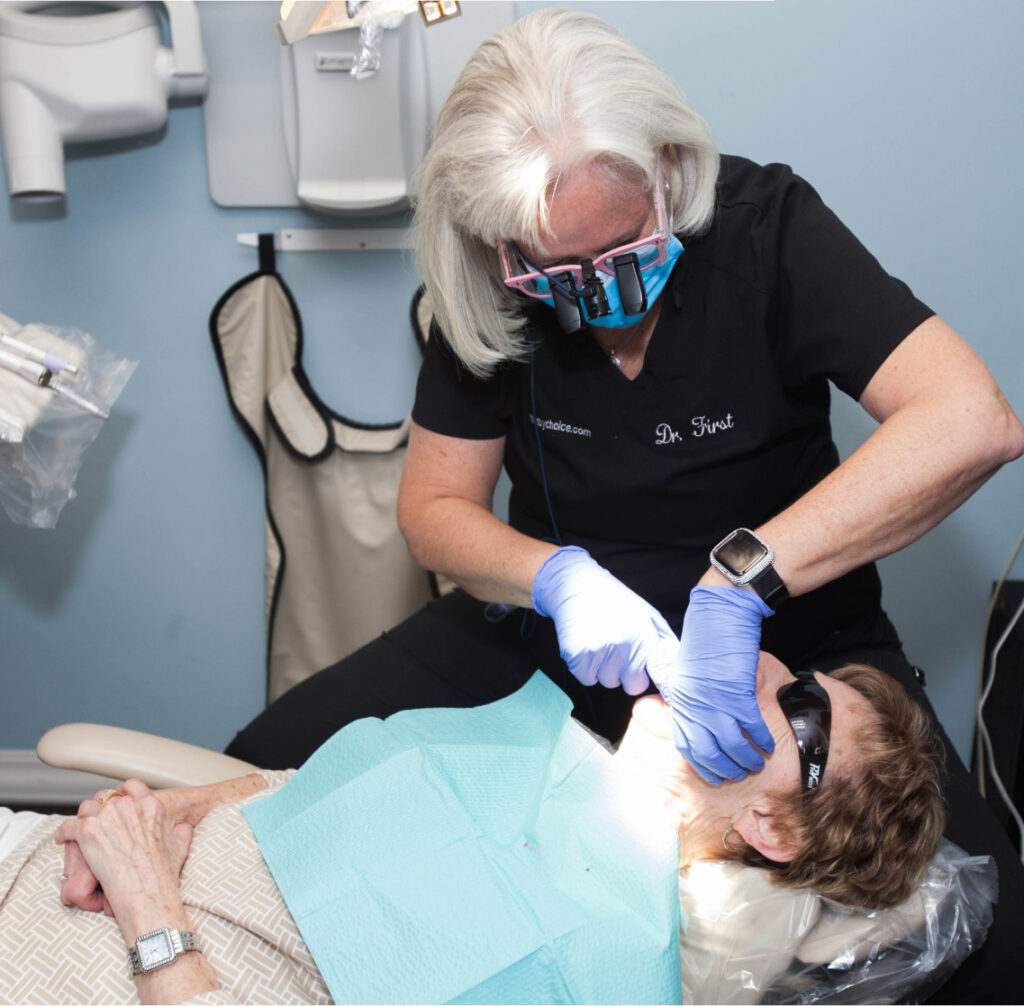
Your health deserves the best, and that starts with the right team. At Smiles by Choice, Dr. Adam Timm and Dr. Louise First are recognized as the most trusted dentists in St. Louis for their holistic and comprehensive approach. We don’t just look at teeth; we look at the person attached to them.
Patients choose our practice because:
Dr. Timm and Dr. First understand the intricate connection between oral function and systemic health.
We provide a friendly, welcoming environment where your concerns are heard and validated.
Our authoritative approach combines modern dental science with proven therapeutic techniques to deliver lasting health improvements.
If you are ready to improve your airway health and quality of life, we invite you to take action today. Contact Smiles by Choice to schedule your comprehensive consultation. Let us show you why we are the premier destination for myofunctional therapy in St. Louis, MO.
Call us today to start your journey toward a healthier smile and a better night’s sleep.
During a Myofunctional Therapy session, our experienced dental professionals will work closely with your child to guide them through various exercises and techniques tailored to their needs. These exercises may involve tongue exercises, breathing exercises, swallowing techniques, and jaw exercises. Sessions are typically interactive, engaging, and designed to be enjoyable for children.
The duration of Myofunctional Therapy varies depending on each individual’s specific needs and progress. Typically, you can expect to see initial improvements within a few weeks to a few months of starting therapy.
Early intervention may reduce the need for extensive orthodontic treatment, such as braces. Still, the need for orthodontic intervention varies depending on individual circumstances.